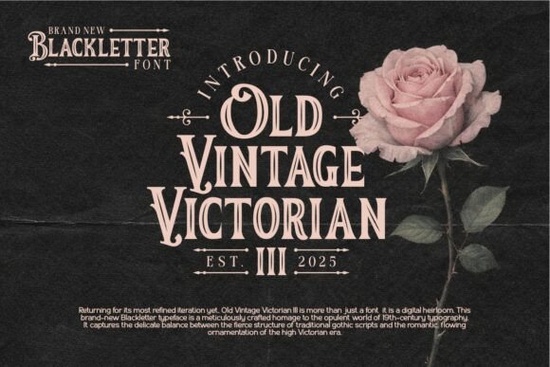
If you need a typeface that instantly communicates heritage, craftsmanship, and old-world charm, Old Vintage Victorian Iii Font delivers exactly that. This decorative serif display font pulls its inspiration directly from 19th-century printing presses, classic storefront signage, and ornate product labeling. Instead of relying on modern minimalism, it leans into high-contrast strokes, detailed inlines, and carefully drawn swashes that feel authentic rather than artificially distressed. For designers, print-on-demand sellers, and small business owners working on branding that requires a historical touch, it provides a ready-made foundation that reads clearly at large sizes while keeping all the intricate details intact.
What makes this Victorian typeface stand out?
The design focuses on readability without sacrificing decoration. Many vintage-style fonts become difficult to read when scaled down or printed on textured materials, but this one balances bold serifs with open counter spaces. The decorative inlines run consistently through the heavier strokes, giving each letter a carved, hand-finished appearance. You will also notice ornate swashes and framing elements that mimic traditional label borders and certificate typography. These details work best when the font is used for headlines, logos, or packaging where the letters have room to breathe. The high contrast between thick and thin strokes creates a natural visual hierarchy, which means your main message will grab attention before the viewer even notices the finer historical accents.
Where does it work best in real projects?
This typeface was built for impact, so it performs strongest in large-format applications. If you are designing for physical products or print media, you will get the most value from it in these areas:
- Distillery and brewery labels: The ornate serifs and inline details mimic traditional glass bottle branding and aged paper stock.
- Vintage apparel and merchandise: Screen printers and POD sellers can use it for retro tour shirts, heritage brand tees, and canvas tote designs.
- Restaurant and cafe branding: Menu covers, chalkboard headers, and storefront window decals benefit from the classic, established feel.
- Display headlines and posters: Event flyers, book covers, and editorial titles gain instant historical weight without looking cluttered.
Because the letterforms carry so much visual weight, it is best to keep body copy in a simpler sans-serif or neutral serif. Let the Victorian font handle the title or primary callout, and pair it with clean supporting text to maintain readability across mobile screens and printed materials.
How do you pair it with other display fonts?
Mixing decorative typefaces requires a careful balance. Since this Victorian design already brings strong historical character, you want companion fonts that either contrast cleanly or share a similar era without competing for attention. For a modern preppy aesthetic that softens the heavy serifs, you might explore clean preppy styles that keep the layout feeling fresh and approachable. When you need extra vertical impact for stacked merchandise tags or bold packaging headers, heavy stacked lettering can sit underneath the main title without creating visual friction.
If your project leans toward a softer, more handcrafted vibe, pairing the Victorian capitals with playful handwritten displays adds a human touch that works well for boutique labels and greeting cards. For western-themed branding or rugged outdoor gear, rugged western blocks provide a grounded contrast that keeps the design from feeling too formal. And when you are working on sports heritage posters or varsity-style apparel, tight athletic lettering can handle secondary information like dates, locations, or edition numbers while the Victorian font commands the primary headline.
What should you know before using it?
Decorative fonts require a few practical adjustments to get the best results in your workflow. First, always test your text at the actual print or screen size. Intricate inlines and thin swashes can disappear if scaled too small, especially on low-resolution displays or coarse paper stocks. Second, pay attention to letter spacing. Victorian display typefaces often look tighter by default, so adding a small amount of tracking can improve legibility and prevent the ornate details from overlapping. Third, consider your background texture. This font shines on cream, kraft, or muted dark backgrounds that mimic aged materials, but it can lose contrast on busy patterns or highly saturated gradients.
You can explore more about Old Vintage Victorian Iii Font to check licensing options, file formats, and available glyphs. Most commercial projects will require a standard or extended license depending on whether you are selling physical goods, digital templates, or print-on-demand items. Always review the creator’s terms before launching a product line.
Quick setup checklist before you export
- Set the font size to 48pt or larger for print, and test at 100% zoom for web headers.
- Add 10 to 25 units of tracking if the inline details feel cramped.
- Pair with a neutral body font to keep paragraphs readable.
- Export a test print on your final paper or fabric to verify stroke clarity.
- Confirm your license covers commercial sales, especially for POD platforms.
Start by typing your main headline, adjust the spacing until the serifs breathe, and save a few layout variations. Once you lock in the pairing and sizing, the typeface will carry the historical tone for you, leaving more time to focus on colors, imagery, and final production details.
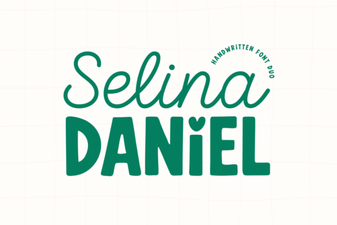 Selina Daniel: Modern Duo Font for Creative Designs
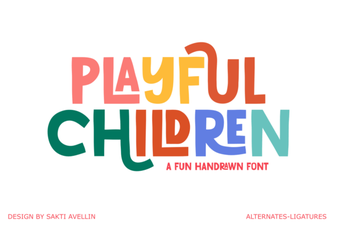 Playful Fonts for Creative Kids’ Projects
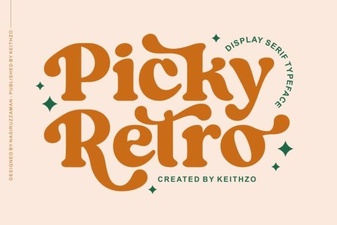 Reviving Design with Picky Retro Fonts
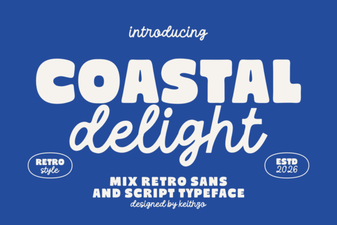 Coastal Delight: Elegant Fonts for Seaside Projects
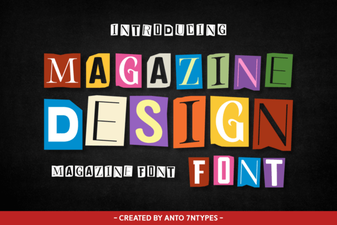 Crafting Legible Magazine Design with Modern Fonts
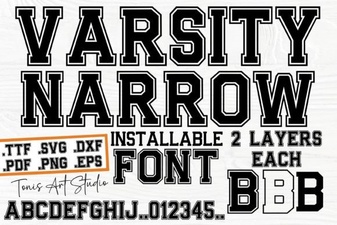 Modern Varsity Fonts for Sports & Branding Projects