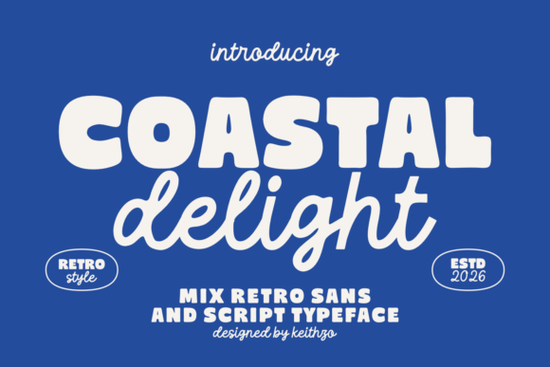
If you need a typeface that feels both relaxed and bold, Coastal Delight Font gives you a ready-made pairing that handles most of the layout heavy lifting. This duo combines a thick, chunky sans-serif with a loose, hand-drawn script, so you can set clear headlines and add a personal touch without spending hours hunting for matching fonts. Designers, crafters, and print-on-demand sellers often struggle with visual balance, but this set arrives pre-calibrated for quick compositions that still feel intentional and polished.
What makes this typeface duo work so well?
The answer lies in controlled contrast. The heavy sans-serif anchors your primary message, while the flowing script softens the edges and adds natural movement. When you place them together, the eye moves smoothly from the bold statement to the lighter accent, creating a clean hierarchy without extra design tricks. This approach works especially well for summer campaigns, boutique branding, and lifestyle products that need a warm, sunlit feel. The letterforms are sturdy enough for large-format prints, yet the cursive keeps everything from looking too rigid. You get a retro foundation with a current, approachable finish that reads clearly on both screens and physical merchandise.
Which projects fit this retro-meets-modern style?
Not every font suits every medium, but this pairing adapts quickly across common creative workflows. Here are a few places where it performs reliably:
- Print-on-demand apparel: Thick headlines stay legible on fabric, while the script adds a handmade vibe to sleeve prints or back labels.
- Small business branding: Use the bold style for logos and shop signs, then switch to the cursive for tags, thank-you cards, and packaging stickers.
- Social media graphics: The high contrast stops scrollers, and the relaxed tone matches lifestyle photography and short-form video covers.
- Crafting and vinyl cuts: Clean curves and consistent spacing make weeding and alignment much easier on desktop cutting machines.
If you regularly design for seasonal drops or weekend markets, this set saves time while keeping your visuals consistent across different products.
How do you pair the two styles without cluttering your layout?
The biggest mistake creators make with duo fonts is overusing both styles in the same text block. Keep it simple: let the chunky letters carry the main message, and reserve the script for one or two supporting words. Adjust the tracking on the bold style slightly if you need tighter headlines, and give the cursive enough breathing room so the swashes do not collide with nearby elements. When you want a similar stacked look for posters or tote bags, you might also browse options like thick stacked lettering that follow the same weight principles. For brand kits that lean heavily into nostalgia, mixing in retro-inspired display type can help you build a fuller system without losing cohesion.
What should you check before purchasing a display font?
Display typefaces look great at large sizes, but they still need solid technical foundations. Always verify that the package includes proper kerning pairs, multilingual support if you sell internationally, and clear licensing terms for commercial use. If your workflow involves embroidery or laser cutting, test a few sample words at your target size to see how the strokes hold up. Creators who enjoy hand-lettered accents often pair this style with soft script combinations to keep the mood light, while those building heritage-style labels might reference classic ornamental type for borders and dividers. When you stay within the same visual family, your final files look polished instead of pieced together.
Where can you review the full character set and licensing?
You can explore the complete glyph map, file formats, and usage rights on the main product page. Most experienced creators download the preview files first, type out their actual brand name or product titles, and check how the letters interact at different scales. This quick step prevents spacing surprises later and helps you decide whether the weight matches your existing templates.
Before you start your next layout, run through this short checklist:
- Test the bold style at your final print size to confirm stroke clarity.
- Limit the script to one accent phrase per design to maintain readability.
- Check spacing around swashes and adjust line height if letters overlap.
- Verify commercial licensing matches your sales channel requirements.
- Export a small proof on your target material before full production.
Keep these steps in mind, and you will get consistent, professional results without extra revision rounds.
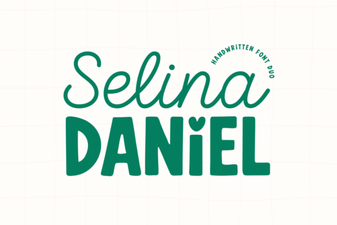 Selina Daniel: Modern Duo Font for Creative Designs
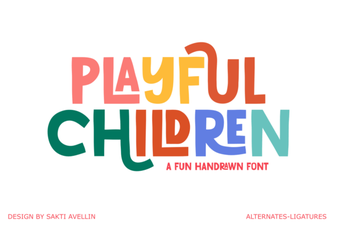 Playful Fonts for Creative Kids’ Projects
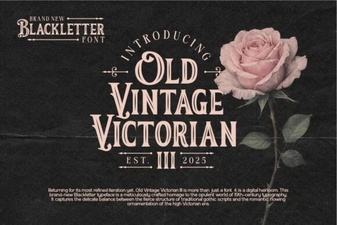 Unlock Victorian Elegance with Iii Fonts for Design
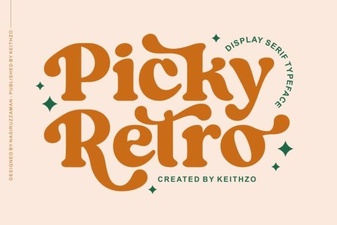 Reviving Design with Picky Retro Fonts
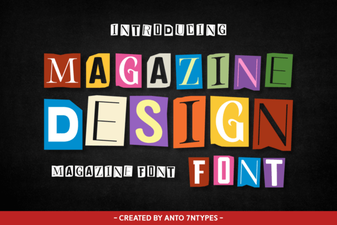 Crafting Legible Magazine Design with Modern Fonts
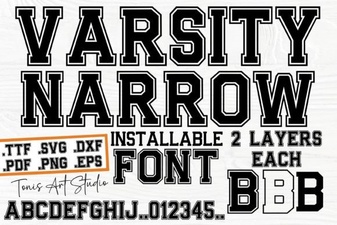 Modern Varsity Fonts for Sports & Branding Projects