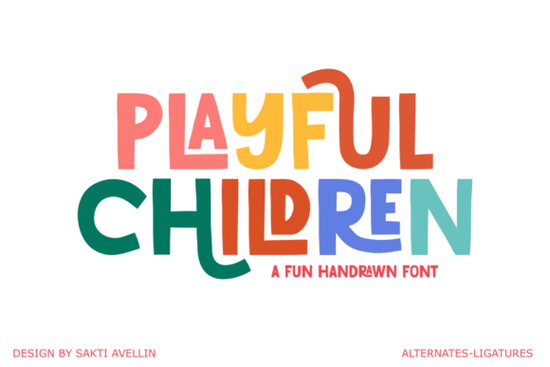
If you need a typeface that feels hand-drawn but still reads clearly on packaging and small merchandise, Playful Children Font is built for exactly that. It combines soft, organic strokes with a slightly uneven baseline, which gives it that relaxed, crayon-on-paper vibe without sacrificing legibility. Designers, print-on-demand sellers, and small shop owners often look for this balance when creating labels for baby clothes, daycare signage, or birthday party supplies. The letterforms carry a natural bounce that works well on both digital mockups and physical prints.
What makes this typeface work for kids’ branding and print projects?
The charm comes from how each character is shaped. Instead of rigid geometric lines, you get gentle curves and subtle variations that mimic real handwriting. That organic feel helps your designs stand out on crowded shelves or busy social media feeds. When you place it on snack wrappers, milk cartons, or gift tags, the font adds a friendly tone that parents and teachers respond to. It also holds up nicely on fabric prints and ceramic mugs, where thicker strokes prevent ink bleeding or vinyl peeling. If you are exploring other display options for youth-focused campaigns, you might also browse our notes on magazine layout typography to see how playful headings can balance cleaner body text.
Where does it fit best in your design workflow?
This style shines when you keep it short. Use it for logos, product names, short headlines, or single-line quotes. Long paragraphs will tire the eye, so reserve it for attention-grabbing elements and pair it with a simple sans serif for instructions or ingredient lists. Print-on-demand creators often place it on t-shirt headers, nursery wall decals, and custom keychains because the characters scale well from two inches to twelve inches without losing detail. For seasonal drops or back-to-school collections, you can test it alongside softer script options like have a nice day honey when you want a slightly more mature but still lighthearted vibe.
How do you pair it without making your layout look cluttered?
The trick is contrast. Since the letters already carry a lot of personality, let your supporting typeface step back. A clean, neutral sans serif or a straightforward slab serif will ground the composition. Keep your color palette limited to two or three shades, and leave plenty of white space around the headline. If you are designing educational posters or learning module covers, try placing the font at the top and using bullet points underneath for readability. Some creators also mix it with retro-inspired display faces like modern vintage lettering for boutique toy brands that want a nostalgic touch. Just remember to check kerning manually, especially around round letters like O, C, and Q, since handcrafted fonts often need slight spacing adjustments.
What should you check before adding it to your toolkit?
Always verify the file formats and licensing before you start a commercial run. Most hand-drawn typefaces include OTF and TTF files, but you will want to confirm whether web fonts or multilingual glyphs are included if your audience spans multiple regions. Test a printed proof on your actual material, whether that is cardstock, cotton blends, or glossy stickers. Ink absorption can change how thick the strokes appear, and a quick test print saves you from reordering supplies. If you enjoy experimenting with bubbly or themed display styles, you might also look at how bubble skelly handles spacing, or compare it with the clean lines of preppycrush when you need a sharper contrast for age ranges above eight. You can also review the full license details and grab Playful Children Font directly from the marketplace.
How do you get the most out of it on your next project?
Start by sketching your layout on paper or in a rough digital wireframe. Place the headline first, then build your supporting elements around it. Keep the hierarchy simple: one playful font, one readable body font, and a clear product name or instruction block. When you export files for print, convert text to outlines if your printer requires it, and embed color profiles to avoid unexpected shifts. For digital use, export PNGs with transparent backgrounds so you can drop the design onto mockups quickly.
- Test print on your final material before bulk production.
- Adjust tracking slightly if letters feel too tight on curved surfaces.
- Pair with a neutral sans serif for instructions or fine print.
- Limit colors to two or three to keep the focus on the letterforms.
- Check licensing for commercial use, especially for print-on-demand sales.
Run a quick mockup, print a sample, and adjust the spacing until the headline reads smoothly. Once the layout feels balanced, you are ready to move straight into production.
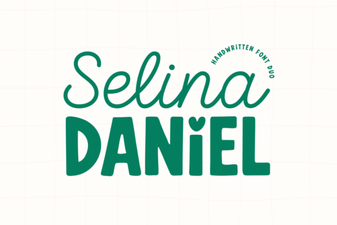 Selina Daniel: Modern Duo Font for Creative Designs
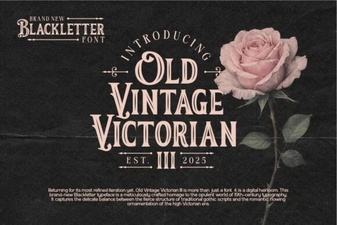 Unlock Victorian Elegance with Iii Fonts for Design
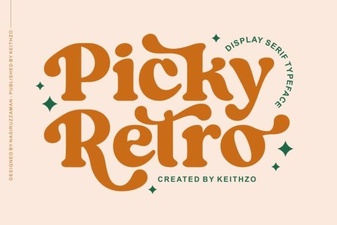 Reviving Design with Picky Retro Fonts
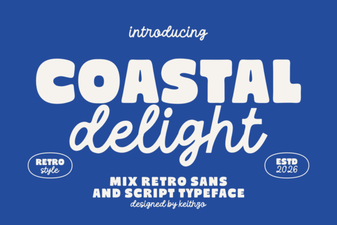 Coastal Delight: Elegant Fonts for Seaside Projects
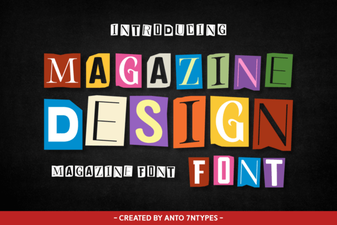 Crafting Legible Magazine Design with Modern Fonts
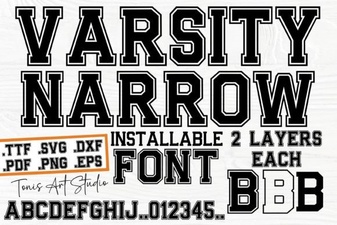 Modern Varsity Fonts for Sports & Branding Projects