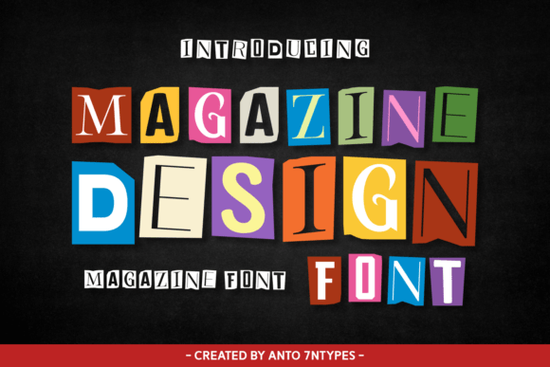
If you need a typeface that grabs attention without feeling overly polished, Magazine Design Font delivers exactly that. It pulls its character from old-school newspaper cutouts and handmade text collages, giving you a bold, retro display style that works well for modern branding, print-on-demand products, and social graphics. Instead of aiming for perfect symmetry, it leans into a rough, hand-assembled vibe that feels nostalgic but stays highly readable.
What makes this retro style work for modern projects?
The charm comes from deliberate imperfections. Each character looks like it was clipped from a different page, creating a natural visual rhythm. That uneven baseline and varied stroke weight keep the eye moving, making it a strong choice for headlines, posters, and short quotes. Because the shapes are thick and clearly defined, the typeface holds up well at larger sizes and stays legible on textured materials like canvas totes or kraft packaging. Designers often choose this kind of display lettering to step away from minimalist trends and add personality to indie publishers, vintage clothing lines, or creative blogs.
Where does a bold display typeface fit best?
Placement matters when working with heavy lettering. This style shines in specific spots:
- Book and magazine covers: Chunky letters create instant hierarchy and stand out on digital thumbnails.
- Apparel and merch: Short phrases print cleanly on T-shirts and stickers without losing detail.
- Social media graphics: Instagram posts benefit from the high contrast, especially on muted backgrounds.
- Packaging labels: Product tags gain a handcrafted look that feels authentic rather than mass-produced.
Keep your text short. Display fonts are built for impact, not paragraphs. Stick to three to five words per line, and let the negative space handle the rest.
How do you pair it with other typefaces?
Since these letters carry heavy visual weight, balance them with something quiet and readable. A simple sans serif works best for body copy and disclaimers. If you’re building a full brand kit, you might explore other display options for different moods. A rugged western project could use a sturdy block style for secondary headlines, while a sports layout might lean on a tight athletic lettering for roster names. When you need something softer for kids’ products, a rounded playful typeface keeps the mood light. For a more modern feel, test a friendly contemporary display for accent text, or try a quirky illustrated font for seasonal merch. The goal is always contrast: let the headline shout, and let everything else whisper.
What should you check before downloading?
Before adding any font to your workflow, run a quick technical check. Verify that you have both OTF and TTF files for cross-platform compatibility, plus WOFF versions if you plan to use the typeface on a website. Review the licensing terms carefully, since commercial and print-on-demand rights vary by creator. You can preview the full character set and licensing details for the Magazine Design Font before committing to a project. Test the kerning in your design software, enable OpenType features to reveal alternate glyphs, and print a small test sheet to catch ink bleed issues that screens often hide.
Quick setup checklist before you start designing
- Install both OTF and TTF versions, then restart your design app to avoid missing glyphs.
- Enable OpenType features to check for alternate characters and special punctuation.
- Limit headlines to five words max, and increase line height slightly to prevent crowding.
- Pair with a neutral sans serif for body text, keeping a clear size hierarchy.
- Export a test print at 100% scale to verify ink coverage on dark garments or textured paper.
- Double-check your commercial license if you plan to sell physical products or digital templates.
Start with a single mockup, adjust your spacing by eye, and let the rough-edged charm do the heavy lifting. When you keep the layout simple, this retro display style will hold up across print, web, and merch without feeling dated.
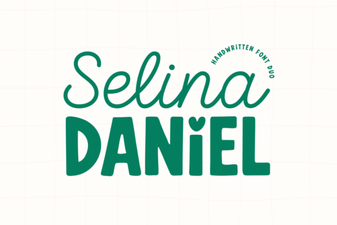 Selina Daniel: Modern Duo Font for Creative Designs
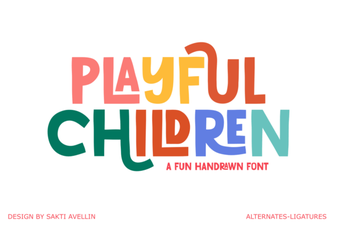 Playful Fonts for Creative Kids’ Projects
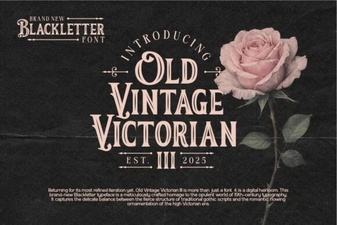 Unlock Victorian Elegance with Iii Fonts for Design
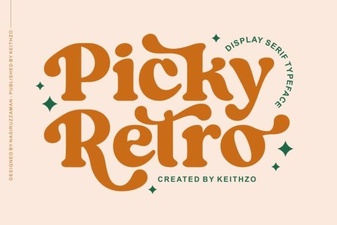 Reviving Design with Picky Retro Fonts
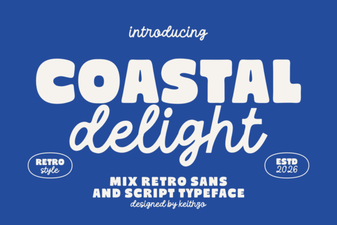 Coastal Delight: Elegant Fonts for Seaside Projects
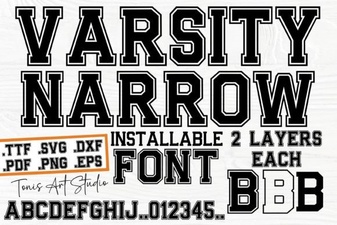 Modern Varsity Fonts for Sports & Branding Projects