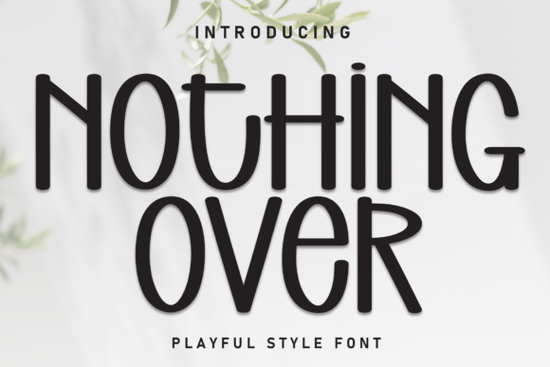
If you are looking for a handwritten typeface that feels warm and approachable, Nothing over Font Font delivers exactly that. It reads like neat penmanship with a playful twist, making it a reliable choice for wedding stationery, greeting cards, and small business branding. The letters have a natural bounce and gentle curves that keep your layouts from looking stiff or overly corporate.
When should you choose a friendly display script?
Handwritten display fonts work best when you want to add a personal touch without sacrificing readability. This style shines on artistic cards, boutique packaging, and print-on-demand products like mugs or tote bags. Because the characters carry a light, cheerful rhythm, they pair well with minimalist layouts that need a clear focal point. If you are designing for a brand that values warmth and authenticity, a sweet script like this helps your message feel conversational rather than sales-driven.
How do you pair it with other typefaces?
Mixing scripts with other fonts is easier when you stick to simple rules. Let the handwritten style handle headlines, quotes, or short phrases, and use a clean sans serif or classic serif for body text. If you need a softer companion for floral branding, you might explore a delicate butterfly-inspired lettering to keep the mood light. For daily planners or modern labels, a straightforward Monday-style script can balance the playful energy. When your project calls for something slightly more relaxed, the casual Overthinker approach offers a nice contrast. And if you are building a romantic wedding suite, an elegant enchanting alternative can complement the main title beautifully.
What file formats and features do you actually need?
Most design projects require a mix of file types to work across different software. Look for OTF and TTF files for standard desktop use, and WOFF formats if you plan to add the typeface to a website. Crafters using cutting machines will appreciate SVG compatibility, which keeps the strokes smooth when scaling for vinyl or heat transfer. Before purchasing, check whether the pack includes alternate glyphs, ligatures, or multilingual support. These small details often determine whether a font feels flexible or limiting. You can review the complete Nothing over collection to see which version matches your workflow.
Where does this style perform best in real projects?
The charm of a personable script lies in its versatility. Here are a few practical applications that consistently work well:
- Wedding and event stationery: Save-the-dates, menu cards, and seating charts benefit from the gentle, hand-drawn feel.
- Small business packaging: Product labels, thank-you notes, and tissue paper wraps look more boutique with a custom script header.
- Print-on-demand merchandise: Short quotes on apparel, stickers, and journals stand out when the lettering has natural variation.
- Social media graphics: Overlaying a few words on photos creates a cohesive, approachable brand voice.
Keep in mind that display scripts are not meant for long paragraphs. Use them for titles, signatures, or short callouts, and let simpler fonts handle the heavy reading. This keeps your design balanced and ensures your audience can absorb the message quickly.
How do you install and test it before committing to a layout?
Installing a new typeface is straightforward on both Windows and Mac. After downloading the zip file, extract the contents and double-click the font file to open the preview window. Click install, then restart your design software so the new letters appear in your font menu. Before building a full project, type out a few sample phrases at different sizes. Check how the capitals interact with lowercase letters, and see whether the spacing feels tight or loose on your specific background. If you want to verify licensing or explore commercial use options, you can search for Nothing over Font directly on the marketplace.
Ready to put it to work? Run through this quick checklist before exporting your final design:
- Confirm the font is installed and visible in your software.
- Test readability at the actual print or screen size.
- Pair it with a neutral body font for clear contrast.
- Check commercial licensing if you plan to sell the finished product.
- Export a test print or PDF to verify spacing and color contrast.
Start with a single mockup, adjust the tracking if needed, and let the handwritten charm do the heavy lifting for your next creative project.
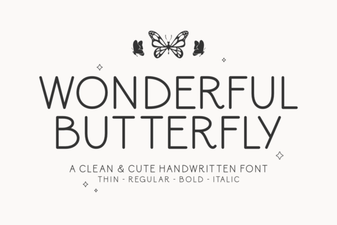 A Beautiful Butterfly Font for Creative Projects
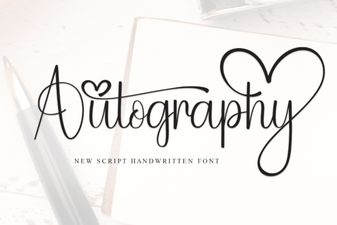 Autography: Designing with Your Handwriting Font
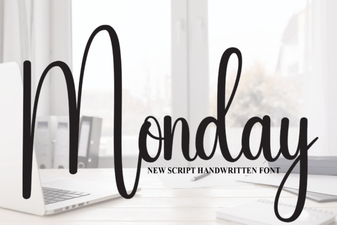 Monday Font: Design Tips & Creative Project Ideas
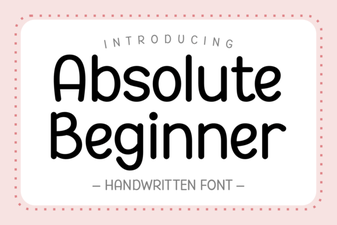 Fonts for Beginners: Simple, Creative Design Projects
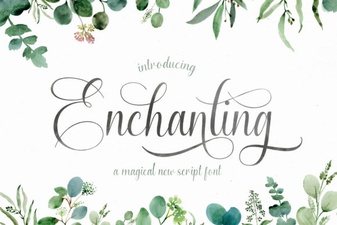 Beautiful Fonts for Script Lettering Projects
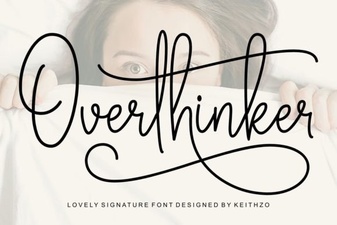 The Overthinker Font: a Designer's Mind in Type