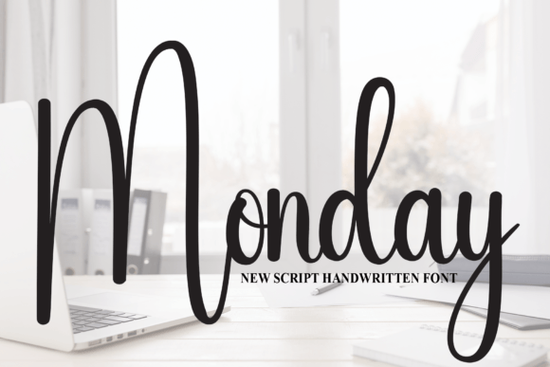
If you need a relaxed, handwritten typeface that feels warm without being overly formal, Monday Font delivers exactly that. As a reliable choice in the script font category, it works beautifully for wedding invitations, greeting cards, and small business branding that needs a personal touch. The casual strokes mimic natural pen movement, which helps your layouts feel approachable rather than stiff.
What makes this handwritten style work for wedding stationery and cards?
Celebration paper goods rely on type that conveys emotion without sacrificing readability. The uneven baseline and soft curves create a handcrafted vibe that pairs well with floral illustrations and clean serif body text. Because the letters maintain consistent spacing, you can set longer phrases without worrying about awkward gaps. If you are just getting started with script lettering, you will notice how the moderate contrast keeps the text legible even on textured cardstock or when cut with home crafting machines.
How do I pair a relaxed script with other typefaces?
Script fonts shine when they have room to breathe and a simple partner to ground them. Use the handwritten style for headlines or short quotes, then switch to a neutral sans serif for supporting details. When exploring flowing signature styles for secondary accents, keep the hierarchy clear by adjusting weight rather than mixing too many decorative fonts. For a softer romantic feel, you might test elegant calligraphy alternatives in your mockups to see which mood fits your project best. Limit script usage to one or two lines per design so the overall composition stays readable.
Which file formats do I need for crafting and print-on-demand?
Most creative workflows require both OTF and TTF files for desktop installation, plus SVG exports for cutting software. Once installed, programs like Illustrator, Canva, and Cricut Design Space will recognize the typeface automatically. For print-on-demand sellers, always convert text to outlines before uploading to merchandise platforms. This prevents substitution errors and ensures your custom lettering prints exactly as intended. If you prefer minimalist brush lettering for certain product lines, you can swap styles while keeping the same layout structure. Just remember to test print a small sample first, since ink spread on cotton or matte paper can thicken delicate strokes.
Where can I learn to apply this style to physical products?
Typography behaves differently on tangible goods than it does on screen. If you want to see how handwritten lettering translates to everyday items, the Making Custom Coozies Perfect For All Events class on Creative Fabrica walks through the entire process. You will learn how to size text for curved surfaces, choose the right transfer method, and adjust spacing so the design wraps cleanly. You can also explore how this particular handwritten typeface behaves in multi-layer projects. Cutting machines handle connected scripts best when you weld the text into a single path before sending it to the mat.
What should I check before using it in client or commercial work?
Licensing varies by marketplace, so always review the included commercial terms before selling finished goods. Most standard licenses allow physical products and branded marketing materials, but they typically restrict reselling the font files or embedding them in editable templates. Keep a copy of your purchase receipt in your project folder to stay compliant. When you are ready to grab the latest version or check for bonus glyphs, you can search for Monday Font directly on the platform.
Quick setup checklist for your next project
- Install both OTF and TTF files, then restart your design software to refresh the font menu.
- Test print a sample at actual size to check stroke thickness on your chosen material.
- Convert text to outlines before exporting for print-on-demand or client handoff.
- Weld connected letters in cutting software to prevent overlapping cut lines.
- Pair with a simple serif or sans serif, and keep script lines to a maximum of two per layout.
- Save your license file alongside the project assets for quick reference.
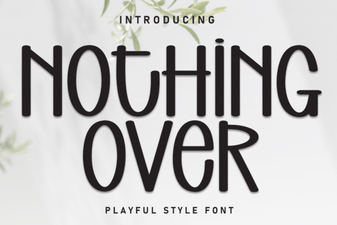 Choosing Fonts for Minimalist Design Projects
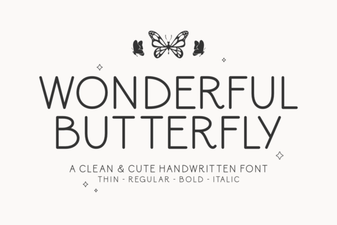 A Beautiful Butterfly Font for Creative Projects
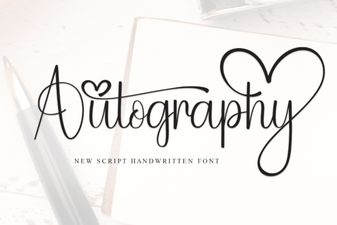 Autography: Designing with Your Handwriting Font
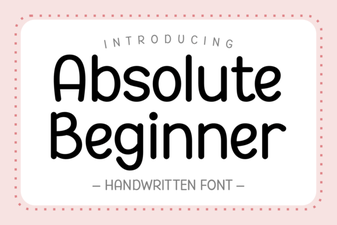 Fonts for Beginners: Simple, Creative Design Projects
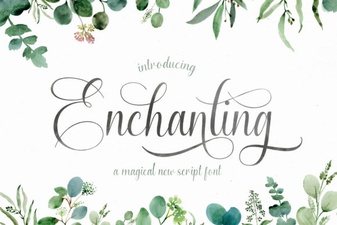 Beautiful Fonts for Script Lettering Projects
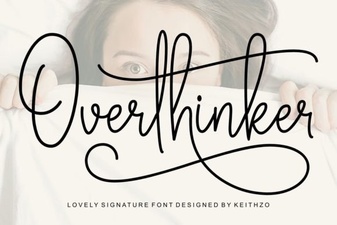 The Overthinker Font: a Designer's Mind in Type