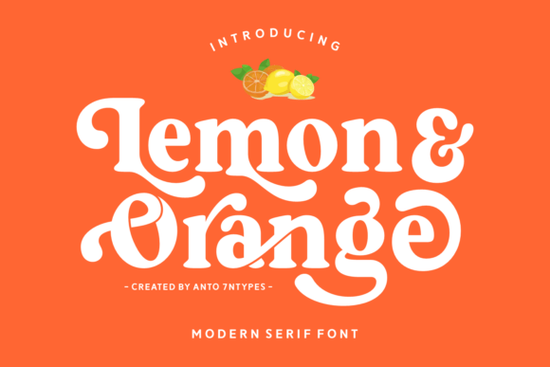
If you need a typeface that balances playful charm with clean readability, Lemon and Orange Font delivers exactly that. It combines elegant display lettering with subtle whimsical details, making it a practical choice for designers, print-on-demand sellers, and small business owners who want fresh layouts without visual clutter. The letterforms carry a light, citrus-inspired energy while maintaining the structure needed for professional work.
What makes this typeface stand out in everyday design work?
The real strength of this font family lies in its flexibility. Instead of locking you into a single mood, it blends bold display characteristics with softer, romantic touches like heart swashes and curved endings. You can shift from a lively birthday banner to a refined wedding suite simply by adjusting the weight and spacing. The included ligatures and alternate characters give you manual control over how letters connect, which is especially useful when crafting logos or custom quotes.
Multilingual support is built in, so you can design for international customers without worrying about missing glyphs. The clean baseline keeps longer phrases readable, while the decorative alternates let you add personality where it matters. If you prefer a more grounded layout, you can easily balance the script elements by browsing complementary serif styles to keep your overall composition stable.
Where does it work best for real-world projects?
This lettering style adapts quickly to different creative needs. Here are the areas where it consistently performs well:
- Wedding and event stationery: Romantic swashes fit naturally on invitations and menus.
- Print-on-demand apparel: Short quotes look sharp on T-shirts when you use the bold weights.
- Product packaging: Cosmetic brands and candle makers can use the lively character set for shelf-ready labels.
- Editorial headers: The display structure holds up at large sizes, making it reliable for book covers.
- Small business branding: Logos and social media graphics benefit from built-in ligatures that prevent awkward letter collisions.
How do you actually use the ligatures and alternates?
Many creators download decorative fonts but never turn on the extra features. To access the swashes and stylistic sets, you need software that supports OpenType. Adobe Illustrator, Photoshop, and Affinity Designer handle these files smoothly.
Start by typing your text in the regular style. Open the glyphs panel, then scroll to the alternate section. You will notice beginning and ending swashes that replace standard letters when selected. Apply them sparingly. One decorative character per word is usually enough to maintain readability. If you are working quickly, rely on the automatic ligatures first. They fix common letter pairings and instantly clean up your spacing.
When you are ready to download the files and review licensing terms for commercial sales, you can find the Lemon and Orange Font through the official marketplace. Always verify the license before selling physical products or digital templates.
What should you keep in mind before printing or selling?
Typography licensing and production details matter. Confirm whether your purchase covers personal use or commercial distribution. Avoid embedding the raw font file in editable templates; convert text to outlines before sharing. Test the typeface at different sizes, since decorative swashes often lose clarity below 14pt. Reserve detailed alternates for headlines and keep body copy in a simpler companion font.
Color contrast also plays a role. High-contrast combinations like deep navy on cream help delicate lines stand out. Run a quick test print on your final material to ensure thinner strokes do not disappear during production.
Quick setup checklist before you start designing
- Install the OTF or TTF files and restart your software to refresh the font menu.
- Open the glyphs panel and save your favorite swashes for fast access.
- Set tracking between 10 and 25 for headlines to improve spacing.
- Pair the display style with a neutral sans serif for body text.
- Export a test mockup to check stroke weight on your final material.
- Confirm your commercial license matches your intended sales channel.
Take a few minutes to test the alternates on a real project file today. Adjust the spacing, swap one character, and see how the layout shifts. Small typographic tweaks often make the biggest difference in how your audience reads your work.
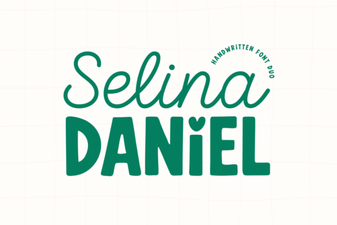 Selina Daniel: Modern Duo Font for Creative Designs
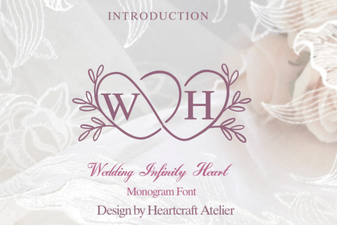 Infinity Heart Fonts for Wedding Invitation Design
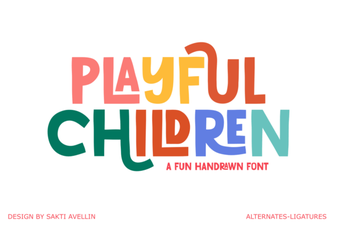 Playful Fonts for Creative Kids’ Projects
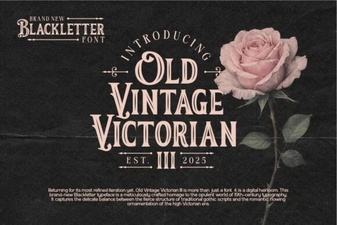 Unlock Victorian Elegance with Iii Fonts for Design
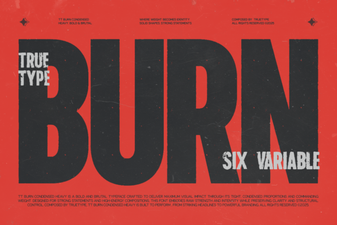 Trt Burn Font for Bold, Creative Design Projects
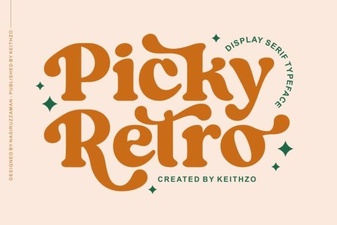 Reviving Design with Picky Retro Fonts